Discovering Rusty Lemon: The Handwritten Font That Feels Like Home
Have you ever looked at a greeting card, a wedding invitation, or a cozy coffee shop menu and felt an immediate sense of warmth? That feeling often comes from the font. Typography has a silent but powerful voice, and few styles speak as gently and authentically as a handwritten font. Enter Rusty Lemon, a typeface that captures the imperfect beauty of real human penmanship. It's friendly, natural, and effortlessly neat. Whether you’re a professional designer, a small business owner, or someone who loves creative projects, understanding what makes Rusty Lemon special can open up new possibilities for your visual work. In this article, we’ll explore what this font is, why it matters, where to use it, and how it fits into the broader world of design, branding, education, and everyday creativity.
What Exactly Is Rusty Lemon?
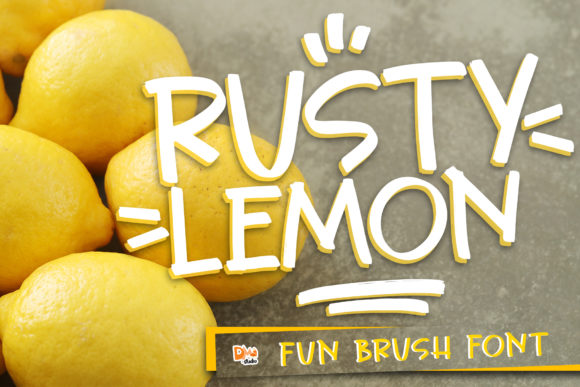
Rusty Lemon is a handwritten font designed to look natural and approachable. Unlike highly formal serif fonts or rigid sans-serif styles, it mimics the flow of casual handwriting. The letters are simple and neat, with just enough organic variation to feel authentically human. The name itself suggests something rustic, slightly textured, and full of character — like a handwritten recipe passed down through generations or a note left on the kitchen counter.
Technically speaking, Rusty Lemon falls into the script or handwritten font family, but it avoids the overly flourished look of formal calligraphy. Instead, it stays grounded in clarity and readability. That balance makes it incredibly versatile. You can use it for both digital and print projects without worrying that the message will get lost in decorative swirls. Its friendly personality works for headlines, quotes, logos, labels, and much more.
Why Handwritten Fonts Matter in Modern Design
In a world increasingly dominated by screens and automation, people crave connection. Handwritten fonts tap into a deep psychological preference for the personal and the imperfect. When you see a handwritten style like Rusty Lemon, your brain reads it as more intimate, trustworthy, and genuine than a perfectly uniform digital typeface. This is not just a feeling — numerous studies in consumer psychology have shown that organic, hand-crafted aesthetics increase emotional engagement and perceived authenticity.
That emotional resonance is especially important in fields like branding, advertising, and social media. A company that uses a handwritten font can instantly appear more approachable, creative, and down-to-earth. This aligns perfectly with the modern shift toward human-centered design, where empathy and real human experiences take center stage. Rusty Lemon, with its simple and neat character, fits this trend beautifully. It says “we care about the details” without shouting for attention.
Practical Uses for Rusty Lemon in Crafting and Beyond
One of the most exciting things about this font is its flexibility. The description “ideal for any crafting design you wish to create” is not an exaggeration. Crafting covers a huge range of hands-on and digital activities, from scrapbooking and card making to custom apparel, sticker designs, and home decor. Here are some specific areas where Rusty Lemon truly shines:
- Greeting Cards and Invitations — Birthday cards, thank-you notes, baby shower invites, and save-the-date announcements all benefit from the warm, personal touch of a handwritten font.
- Scrapbooking and Journaling — Titles, captions, and short journal entries look beautiful when set in Rusty Lemon. It feels like real handwriting but stays legible and consistent.
- Product Labels and Packaging — Small businesses selling handmade soaps, candles, honey, or baked goods can use this font to emphasize their artisanal, home-grown quality.
- Social Media Graphics — Quote posts, story templates, and Pinterest pins often stand out more when the typography feels relatable and human. Rusty Lemon adds that authentic touch.
- Educational Materials — Teachers creating classroom posters, worksheets, or flashcards can use a friendly handwritten font to make content feel less intimidating and more engaging for students.
- DIY Home Decor — Framed prints, wooden signs, and fabric transfers with inspirational quotes or family names gain warmth and personality through this font.
- Logo Design — For a coffee shop, a daycare center, a florist, or a freelance artist, Rusty Lemon can become a key part of a memorable and welcoming brand identity.
- Etsy and Online Shops — Shop owners who want cohesive, charming visuals for banners, product photos, and item descriptions can use this font consistently across their online presence.
The Importance of Readability in Handwritten Fonts
Not all handwritten fonts are created equal. Some are so stylized that they sacrifice readability. Others are too messy, making blocks of text difficult to scan. Rusty Lemon strikes a careful balance: it keeps the organic, unpredictable rhythm of handwriting while remaining simple and neat. That’s a major practical advantage.
Readability is crucial when designing for a broad audience. Consider a wedding invitation — guests need to quickly understand the venue, date, and time. Or think about a product label — a customer scanning a shelf should be able to read the ingredients or scent without squinting. Rusty Lemon supports these functional needs without losing its charm. It offers the best of both worlds: aesthetic warmth and practical clarity.
For longer passages, designers might pair Rusty Lemon with a clean sans-serif body font. This combination allows the handwritten font to shine in headings or standout elements while the body text remains easy to read. Such contrast creates visual hierarchy and guides the viewer’s eye naturally through the content.
How Rusty Lemon Fits Into Branding and Business
Branding is more than a logo — it’s the complete personality of a business expressed through visuals, language, and customer experience. Typography plays a starring role in that expression. When a brand chooses a font like Rusty Lemon, it’s making a deliberate statement about its values. It says “we are approachable, we care about craftsmanship, and we want to connect with you on a human level.”
Let’s look at some real-world scenarios. A small-town bakery might use Rusty Lemon on its menus, window decals, and pastry boxes. The font instantly communicates warmth, tradition, and a touch of nostalgia — exactly what you’d want from a place that sells fresh bread and cookies. A children’s clothing brand could use it on hang tags and website banners to feel playful and nurturing. A therapist or life coach might incorporate the font into their branding to appear empathetic and genuine rather than coldly clinical.
From a marketing perspective, consistency is key. Using the same handwritten font across all platforms — from Instagram posts to business cards to email newsletters — creates a recognizable and trustworthy brand presence. Rusty Lemon’s clean lines make it versatile enough for this kind of omnichannel approach.
Creative Freedom and Personal Expression
One of the most underrated joys of using a font like Rusty Lemon is the creative freedom it provides. When you’re working on a personal project — a family cookbook, a travel journal, or a custom piece of wall art — the font you choose sets the entire emotional tone. A handwritten style feels intimate and uniquely yours, even when digitally produced. It can turn a simple phrase like “home sweet home” into something that resonates emotionally.
Rusty Lemon also works well in mixed-media designs. Pair it with watercolor textures, kraft paper backgrounds, or floral illustrations, and you’ll achieve that popular modern farmhouse aesthetic. Alternatively, use it on a clean white background with minimalist elements, and the font itself becomes the focal point of the design. This adaptability makes it a go-to choice for crafters who love experimenting with different styles.
Common Misunderstandings About Handwritten Fonts
Some people assume that handwritten fonts look unprofessional or are only suitable for children’s projects. This is a myth that deserves a closer look. Professional design isn’t about formality — it’s about intentionality. When a handwritten font is used purposefully, it can be just as sophisticated as any serif or sans-serif. The key lies in choosing the right font and using it appropriately.
Another misconception is that all handwritten fonts are the same. In reality, the variety is enormous. Some are brush-like and bold, others are delicate and sketchy. Rusty Lemon occupies a sweet spot: it’s friendly without being cartoonish, and neat without being stiff. This makes it suitable for a wide audience and a broad range of applications. It’s also a great entry point for beginners who might feel overwhelmed by more complex decorative fonts.
Technology, Accessibility, and Everyday Use
Modern technology has made fonts like Rusty Lemon easier to access and use than ever before. You don’t need expensive design software to get started. Many free and low-cost platforms support custom font uploads, meaning you can add Rusty Lemon to Canva, Adobe Express, Cricut Design Space, and even Microsoft Word. This democratization of design tools means anyone — from a busy parent to a small business owner to a classroom teacher — can create professional-looking projects at home.
Accessibility is another important consideration. While overly decorative fonts can be difficult for people with dyslexia or visual impairments to read, Rusty Lemon’s straightforward letterforms are relatively accessible compared to many other display fonts. Clear spacing, natural shapes, and consistent sizing all contribute to a reading experience that is generally comfortable. Of course, for essential information or lengthy text, pairing it with a highly readable body font remains best practice.
Where Rusty Lemon Sits in the Typography Landscape
Typography is a vast field with deep historical roots, but the rise of digital crafting and social media has brought an explosion of new interest in font selection. Handwritten fonts occupy a special niche — they bridge the gap between the impersonal precision of machine-made type and the unique warmth of the human hand. Rusty Lemon exemplifies this bridge. It doesn’t try to imitate Victorian calligraphy or graffiti tagging; it simply reflects how a neat, friendly person might write a note.
In educational settings, this kind of font can help children make connections between typed text and their own handwriting. In creative industries, it supports the trend toward more authentic, less polished visual communication. And in daily life, it adds a touch of beauty and care to things we often overlook — a grocery list, a reminder note, a small label on a jar of homemade jam.
Tips for Getting the Most Out of Rusty Lemon
If you’re ready to try Rusty Lemon in your next project, here are some practical suggestions:
- Start small. Use it as an accent font for titles, quotes, or key details before committing it to larger blocks of text.
- Pair it wisely. Combine with a clean sans-serif font like Open Sans, Montserrat, or Lato to maintain contrast and readability.
- Mind the spacing. Handwritten fonts sometimes benefit from slight adjustments to letter-spacing or line-height to look their best on screen.
- Consider the medium. For print projects, test a sample first to make sure the font prints clearly at the size you need. For digital use, check how it renders across different devices.
- Stay consistent. If you’re building a brand or a themed project, use Rusty Lemon in a consistent way to create a cohesive visual story.
- Let the message guide the font. Think about the emotion you want to convey. Rusty Lemon works beautifully for warm, welcoming, personal content. For very formal or corporate messages, a different font might be more appropriate.
Why Rusty Lemon Feels Like a Modern Essential
We live in a time where visual communication is constant. From the moment we wake up and check our phones to the signage we pass on the street, typefaces shape our perceptions. In this crowded landscape, the fonts that stand out are often the ones that feel the most human. Rusty Lemon doesn’t try to impress with complexity or luxury. Instead, it offers something arguably more valuable: a sense of connection. It reminds us that behind every product, every message, and every design, there is a person.
For crafters, designers, educators, and anyone who simply wants to make something beautiful and meaningful, this font is a quiet but powerful tool. It’s easy to use, hard to misuse, and always ready to bring a touch of warmth to your work. The name may be playful, but the impact is real.
Final Thoughts on Embracing Handwritten Charm
Rusty Lemon is much more than just another font in a dropdown menu. It represents a design philosophy that values simplicity, authenticity, and human connection. Whether you’re printing stickers for a school fair, designing a logo for your new business, or creating a heartfelt gift for a loved one, the font you choose matters. Rusty Lemon offers a way to communicate that feels personal without sacrificing professionalism. It invites the viewer in, makes them smile, and leaves a lasting impression. In a fast-paced digital world, that kind of gentle, genuine communication is something to treasure.